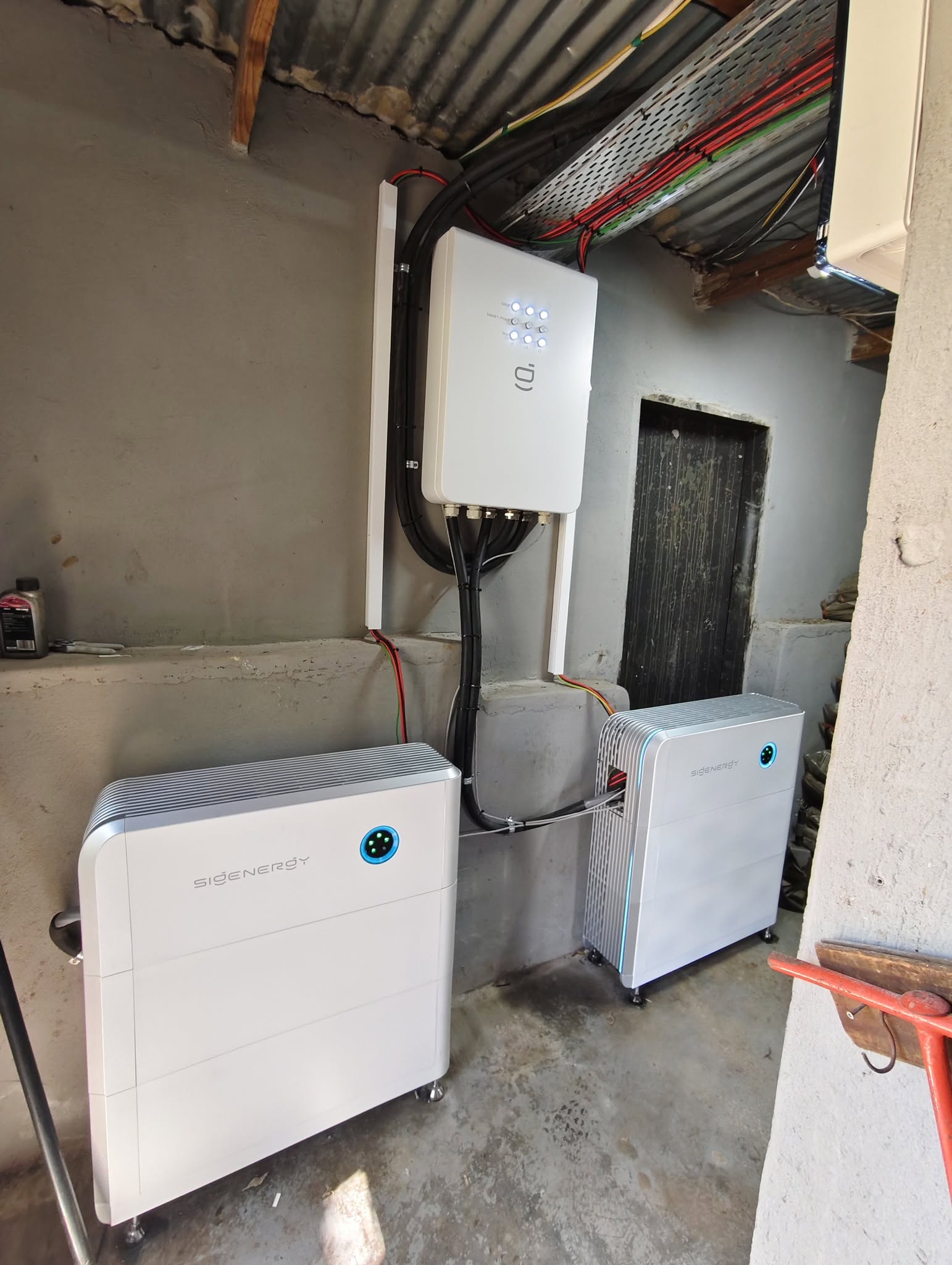
Load shedding may have eased, but the questions we get about solar backup haven’t. Between rising electricity tariffs, unstable grid supply, and the promise of “free” solar power, it’s easy to get lost. Here’s a practical guide to what actually matters before you commit — based on the systems we design and install every week.
Start With What You Need to Run
The biggest mistake we see is people buying a system before understanding their load. Walk around your property and decide what must run during an outage:
- Lights, Wi-Fi, security and gates (essential in any home)
- Fridge and freezer (non-negotiable for most families)
- A geyser, stove or oven (high-draw items that change everything)
- For businesses: point-of-sale, servers, security systems, essential machinery
Every one of these adds to the inverter and battery size. A system that keeps lights and Wi-Fi on through stage 6 is very different from one that powers a geyser and air conditioner at the same time. Once you know your critical load, sizing stops being guesswork.
Understand the Three Components
A solar backup system has three main parts, and each does a different job:
- Solar panels generate power during the day — this is what cuts your municipal bill.
- A hybrid inverter manages the flow between solar, batteries, and the grid.
- Battery storage carries you through the night and through load shedding.
If load shedding is your main concern, the inverter and batteries matter most. If you want to cut your electricity bill, the panel array and how it aligns with your daytime usage matter more. Most of our clients want both — and the system gets designed around that balance.
Be Realistic About Payback
Solar is an infrastructure investment, not a magic switch. As a rough guide, most of our commercial clients see payback in the 3 to 6 year range, depending on their tariff and how much of their consumption happens in daylight. The battery component is primarily about load shedding resilience rather than payback — it’s insurance, not income.
An honest installer will show you the numbers before you spend. If a system doesn’t make sense for your consumption pattern, they should tell you — even if it means a smaller quote.
Tier-1 Equipment Is Not Optional
South Africa’s solar boom has flooded the market with cheap components. As a Heroldt’s Premium Partner, we specify Tier-1 panels and inverters supplied through Heroldt’s distribution network. That matters because a failed inverter on a roof isn’t a weekend DIY job — it’s a supply-chain exercise. Tier-1 brands come with proper warranties and the support network to back them.
Every Installation Ends With a COC
Every solar installation must comply with SANS 10142 and be issued with a Certificate of Compliance (COC). This protects you, your property, and your insurance. If an installer offers to “save you the paperwork,” walk away. The COC is your proof the work was done safely and correctly — and you’ll need it when you sell.
What a Good Process Looks Like
A reputable installer should:
- Review your last 12 months of municipal consumption and do a site survey
- Discuss which circuits are critical and how deep into battery storage you want to go
- Provide a written quote with a clear breakdown of equipment and installation
- Issue a COC on completion and hand over a full training session on how the system behaves through each load shedding stage
- Offer ongoing monitoring so you can see what the system is doing from your phone
The Bottom Line
The right solar backup system keeps your home or business running through outages and cuts your electricity bill — but only if it’s sized for your actual needs, built with quality components, and installed by a team that stands behind the paperwork. Get those three things right, and the system earns its place on your roof.
Need a system designed for your property? We’re a registered electrical contractor serving clients across South Africa for over 40 years. Contact us for a free consultation and honest payback numbers.